


























Technical Details
| Specification | |
|---|---|
| Product code | FP-MF500E-HT-TSE |
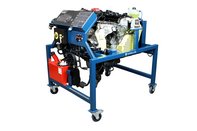
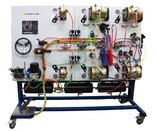
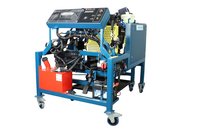
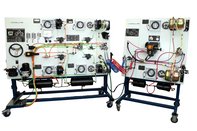
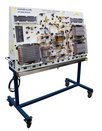
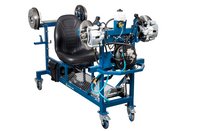
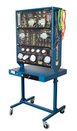
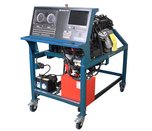
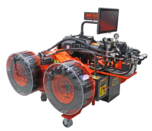
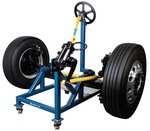
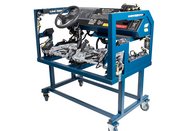
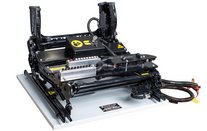
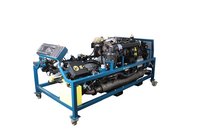
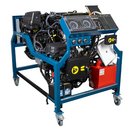
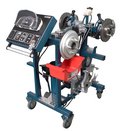
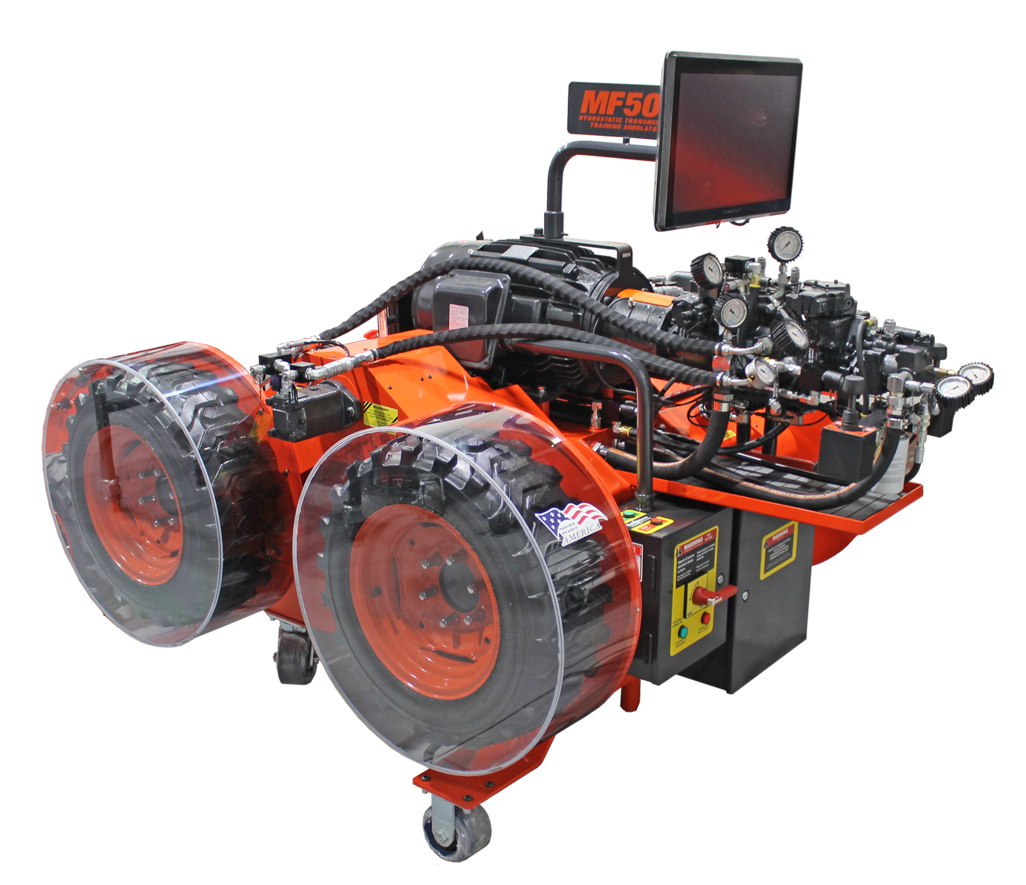
Key Features & benefits | Adds Real Loader Functions to the MF500 System The module includes lift and tilt cylinders, a load-holding valve, pilot controls, and an articulated steering mechanism, replicating the exact functions technicians service on mobile equipment. Safe, Controlled, Classroom-Ready Operation No moving machines, no unstable loads, no pinch points, and no live equipment risks. All dynamic components are guarded and accessible for learning. Industry-Standard Diagnostic Training Students perform lift/tilt troubleshooting, measure operating pressures, analyze load-holding behavior, identify cylinder drift, and verify valve performance under applied loads. Full Articulated Steering Simulation Includes steering cylinder(s), steering valve, feedback linkage, and load-sense behavior, allowing learners to understand the hydraulic logic behind heavy equipment steering. Perfect for Real-World Skill Development Teaches the exact skills needed in construction, mining, forestry, agriculture, and utility equipment maintenance, without the downtime or risk of damaging expensive machines. Pairs Seamlessly With MF500-HT-TSE The module integrates into the hydrostatic drive trainer without requiring external machinery, engines, or hydraulics. Just connect, configure, and instruct. |
|---|---|
Specifications | Implement Hydraulic Functions : Loader-style lift cylinder/Loader-style tilt cylinder /Load-holding valve for both implement circuits /Pressure test ports for performance measurement /Real-time movement under load conditions Articulated Steering System : Heavy-equipment style steering cylinder(s)/Steering control valve/Hydraulic pilot controls (depending on configuration)/Realistic linkage and movement simulation Controls (Operator Interface) : Directional valve controls for lift & tilt/Steering control lever or joystick/System pressure and load-sense interaction/Integrated with the MF500 touchscreen PC for monitoring Diagnostics & Troubleshooting Features : Pressure measurement points throughout implement and steering circuits/Cylinder drift and bypass verification/Valve performance and spool leakage checks/Load-holding valve diagnostics/Steering performance and response testing Safety Systems : Heavy-duty guards and visibility panels/Zero-leak flat-face couplers/Integrated Safe-T-Bleed® procedures (via MF500 platform)/Smooth, fully contained motion, no pinch or crush hazards Construction & Mounting : Modular steel frame assembly/Powder-coated surfaces for classroom durability/Designed specifically to mount to the MF500 platform Compatibility : Fully compatible only with the MF500-HT-TSE/Optional seal kits & advanced diagnostic exercises available |
Curriculum Overview and Topics Covered | Curriculum Overview: The MF500-IS curriculum expands the MF500 platform by teaching students how implement and steering hydraulic systems operate on mobile equipment. Learners work with lift and tilt cylinders, load-holding valves, articulated steering mechanisms, and priority flow systems to understand how real loader-style hydraulics respond under load. Hands-on labs require students to assemble circuits, evaluate implement performance, measure working pressures, verify load-holding behavior, and diagnose actuator or valve irregularities. The curriculum emphasizes safe testing, correct valve adjustment, and troubleshooting of implement and steering systems. When used with the TSE version, students also diagnose electronically inserted faults that simulate realistic wear and failure conditions. Topics Covered: Implement circuits: lift, tilt, load-holding behavior/Steering hydraulics: orbitrol operation, priority flow control/Cylinder motion characteristics and performance verification/Diagnosing valve or actuator performance issues/Pressure measurement and flow analysis under load/Load-holding valve operation and troubleshooting/Steering response testing and articulated steering mechanics/Understanding loader-style hydraulic system logic/Fault-based diagnostic procedures (with MF500-IS-TSE)/Reading and constructing implement/steering schematics. |